
Choosing the Right Shade Mesh for Your Construction Site
In the bustling world of construction, ensuring the safety and comfort of workers is paramount. One effective solution that has gained popularity in recent years is the use of shade mesh. This versatile material not only provides protection from harsh sunlight but also serves various other purposes on construction sites. However, selecting the right shade mesh can be a daunting task given the myriad of options available. This article aims to guide you through the process of choosing the ideal shade mesh for your construction site.
Understanding Shade Mesh
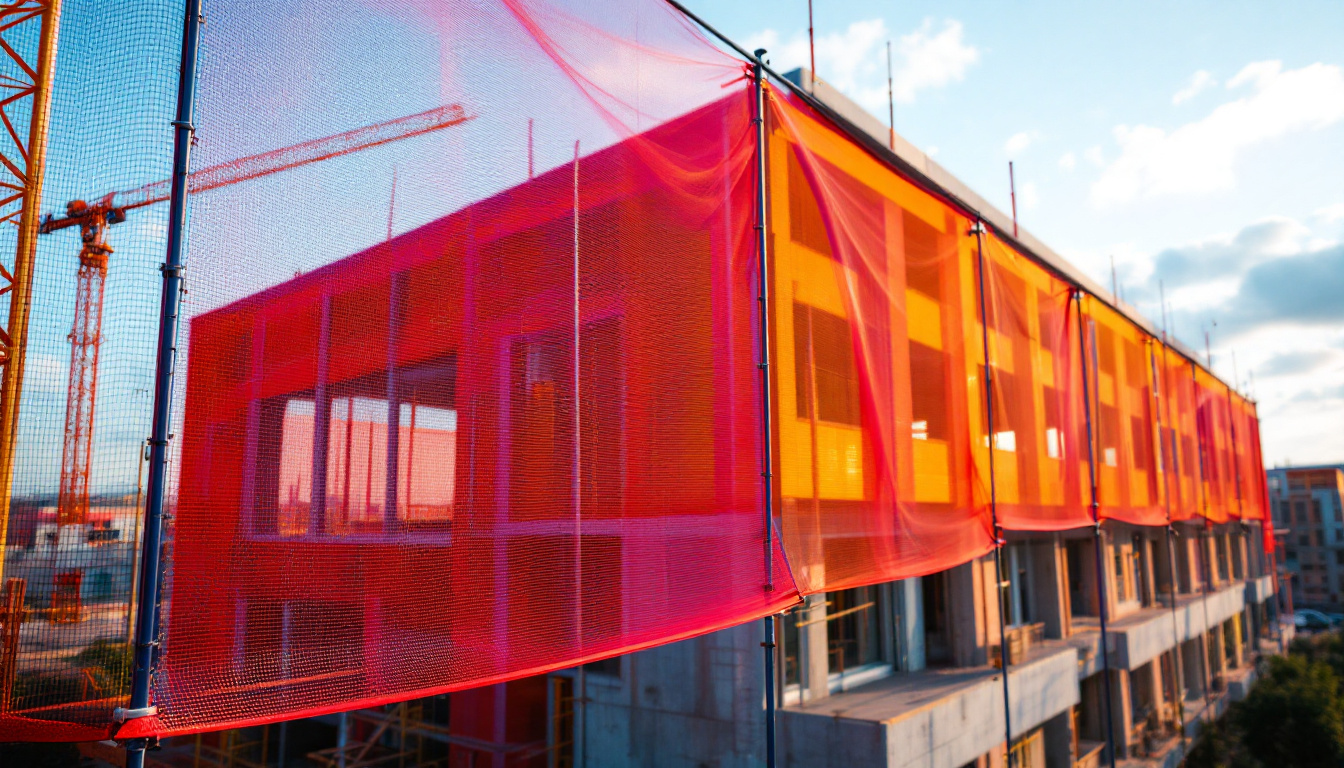
Shade mesh is a type of fabric designed to reduce sunlight exposure while allowing air to circulate freely. Typically made from high-density polyethylene (HDPE), it is available in various densities, colours, and sizes. The primary function of shade mesh is to create a cooler environment, which can significantly enhance worker productivity and comfort. In addition to its practical applications, shade mesh can also serve aesthetic purposes, as it can be colour-coordinated with the surrounding environment or branding, making it a versatile choice for both commercial and residential settings.
Types of Shade Mesh
There are several types of shade mesh available on the market, each tailored for specific applications. The most common types include:
- Knitted Shade Mesh: This type is known for its durability and flexibility. It is often used in construction sites for its ability to withstand harsh weather conditions. The knitted design allows for excellent airflow, making it suitable for outdoor areas where ventilation is essential.
- Woven Shade Mesh: Woven mesh offers a tighter weave, providing better UV protection. It is ideal for areas requiring maximum sun blockage, such as gardens or patios where plants or outdoor furniture need safeguarding from sun damage.
- Commercial Shade Cloth: Designed for heavy-duty use, this type is often used in larger construction projects where extended coverage is necessary. Its robust construction ensures longevity, making it a cost-effective solution for businesses looking to protect their assets.
Key Features to Consider
When selecting shade mesh, it is crucial to consider several key features that can impact its effectiveness:
- UV Protection: Look for shade mesh that offers high UV protection ratings to ensure the safety of workers under direct sunlight. This feature is particularly important in regions with high solar exposure, where prolonged sun exposure can lead to serious health risks.
- Shade Factor: The shade factor indicates the percentage of sunlight blocked by the mesh. A higher shade factor means more protection. For instance, a shade factor of 90% will block out most of the sun’s rays, making it ideal for outdoor activities.
- Durability: Consider the material’s resistance to tearing, fraying, and fading, especially in high-traffic areas. High-quality shade mesh should withstand the rigours of outdoor use, maintaining its integrity and appearance over time.
Furthermore, the ease of installation and maintenance should also be taken into account. Many shade mesh products come with reinforced edges and grommets, allowing for straightforward attachment to structures or frames. This feature not only simplifies the setup process but also ensures that the mesh remains securely in place, even in windy conditions. Additionally, regular cleaning and maintenance can prolong the lifespan of shade mesh, making it essential to follow manufacturer guidelines to keep it looking and performing its best.
Learn more on: How Shade Mesh Improves Site Safety and Weather Protection
Benefits of Using Shade Mesh on Construction Sites
Implementing shade mesh on construction sites offers numerous advantages that can enhance both safety and productivity. Understanding these benefits can help in making an informed decision.
Enhanced Worker Comfort
One of the most significant benefits of shade mesh is the comfort it provides. Construction workers often face long hours under the sun, leading to fatigue and heat-related illnesses. By installing shade mesh, the temperature can be significantly reduced, creating a more pleasant working environment. This not only improves morale but also boosts overall productivity. Additionally, when workers feel comfortable, they are less likely to take frequent breaks to seek relief from the heat, allowing for a more consistent workflow and ultimately contributing to the timely completion of projects.
Improved Safety Standards
Safety should always be a priority on construction sites. Shade mesh helps protect workers from harmful UV rays, reducing the risk of sunburn and long-term skin damage. Furthermore, by providing shade, it can help prevent heat exhaustion, ensuring that workers remain alert and focused on their tasks. The implementation of shade mesh can also lead to fewer incidents of heat-related illnesses, which can be costly in terms of both health and productivity. In turn, this fosters a culture of safety on site, encouraging workers to adhere to safety protocols and look out for one another. Learn more about productivity on https://pmc.ncbi.nlm.nih.gov/articles/PMC9898133/
Versatility and Adaptability
Shade mesh is incredibly versatile and can be used in various applications beyond just providing shade. It can serve as a windbreak, helping to reduce dust and debris on site, and can also be used to create temporary enclosures for equipment or materials. This adaptability makes it an essential tool for any construction project. Moreover, the lightweight nature of shade mesh allows for easy installation and removal, making it a practical choice for projects with changing requirements. It can be easily repositioned as work progresses, ensuring that all areas of the site benefit from its protective qualities, thereby enhancing overall site management and efficiency.
Furthermore, shade mesh comes in various densities and colours, allowing construction managers to choose the most suitable option for their specific needs. For instance, darker shades can provide more effective UV protection, while lighter colours may reflect sunlight, keeping the area cooler. This level of customisation ensures that the shade mesh not only serves its functional purpose but also aligns with the aesthetic considerations of the project, making it a valuable asset in both practical and visual terms.
Choosing the Right Shade Mesh for Your Needs
With a variety of options available, selecting the right shade mesh requires careful consideration of specific project needs. Here are some factors to keep in mind:
Assessing Site Conditions
Before purchasing shade mesh, it is essential to assess the specific conditions of the construction site. Consider factors such as:
- Location: Sites in hotter climates may require higher shade factors, while those in milder areas may need less.
- Wind Exposure: If the site is prone to high winds, opt for a more durable mesh that can withstand these conditions.
- Duration of Use: For long-term projects, investing in higher quality, more durable mesh is advisable.
Budget Considerations
While it may be tempting to choose the cheapest option available, it is crucial to consider the long-term value of your investment. Higher-quality shade mesh may have a higher upfront cost but can save money in the long run due to its durability and effectiveness. Always weigh the initial costs against potential savings from reduced worker fatigue and improved safety.
Consulting with Suppliers
Engaging with suppliers can provide valuable insights into the best shade mesh options for your specific needs. Suppliers often have extensive knowledge about the products they offer and can recommend suitable options based on your project requirements. Don’t hesitate to ask for samples or technical specifications to better understand what you are purchasing.
Installation Tips for Shade Mesh
Once the right shade mesh has been selected, proper installation is essential to maximise its benefits. Here are some tips to ensure effective installation:
Preparing the Site
Before installation, ensure the area is clear of debris and any obstacles that may impede the setup process. This preparation not only facilitates a smoother installation but also enhances safety for workers involved in the process.
Securing the Mesh
It is vital to secure the shade mesh properly to prevent it from being dislodged by wind or other environmental factors. Use appropriate fasteners and ensure that the mesh is taut to avoid sagging. Additionally, consider using weighted bases if the mesh is being installed as a free-standing structure. To learn more about environmental click here.
Regular Maintenance
After installation, regular maintenance is crucial to prolong the lifespan of the shade mesh. Inspect it periodically for signs of wear and tear, and address any issues promptly. Cleaning the mesh can also help maintain its effectiveness, as dirt and debris can accumulate and reduce its UV blocking capabilities.
Conclusion
Choosing the right shade mesh for a construction site is a decision that can significantly impact worker safety and productivity. By understanding the various types of shade mesh available, assessing site conditions, and considering budget constraints, project managers can make informed choices that benefit both their workers and the overall project. With proper installation and maintenance, shade mesh can serve as a valuable asset, ensuring a comfortable and safe working environment.
Investing time and resources into selecting the right shade mesh is not merely a matter of comfort; it is an essential step towards fostering a culture of safety and efficiency on construction sites. As the construction industry continues to evolve, embracing innovative solutions like shade mesh will be crucial in meeting the demands of modern projects.