
Tree and Stump Removal: Getting Your Property Ready for Landscaping
Landscaping can dramatically enhance the aesthetic appeal and functionality of any property. However, before embarking on a landscaping project, it is crucial to prepare the site adequately. One of the most significant steps in this preparation is the removal of trees and stumps that may obstruct the design or pose safety hazards. This article will explore the importance of tree and stump removal, the methods available, and the benefits of professional assistance.
The Importance of Tree and Stump Removal
Understanding why tree and stump removal is essential can help property owners make informed decisions. Trees and stumps can interfere with landscaping plans, create safety hazards, and lead to potential property damage.
Enhancing Aesthetic Appeal
When planning a landscaping project, the visual aspect is paramount. Overgrown trees or unsightly stumps can detract from the overall beauty of a garden or outdoor space. Removing these obstacles allows for a clean slate, making it easier to design and implement a cohesive landscape plan.
Moreover, a well-maintained garden can increase property value. Prospective buyers often look for properties that are visually appealing and well-kept. By removing unwanted trees and stumps, homeowners can significantly boost their property’s marketability.
Additionally, the removal of trees and stumps can open up opportunities for new plantings, allowing homeowners to introduce a variety of flora that may be more suited to their tastes or the local climate. For instance, replacing an old, overgrown tree with a flowering shrub or a small ornamental tree can enhance the garden’s colour palette and seasonal interest. This not only contributes to the overall aesthetic but also promotes biodiversity, as a diverse range of plants can attract various pollinators and wildlife, enriching the garden’s ecosystem.
Improving Safety
Safety is another critical consideration when it comes to tree and stump removal. Fallen branches or unstable trees can pose serious risks, particularly during storms or high winds. Additionally, stumps can be tripping hazards, especially for children and elderly individuals. Removing these hazards not only creates a safer environment but also reduces the likelihood of accidents on the property.
Furthermore, the presence of decaying stumps can attract pests such as termites or ants, which may eventually find their way into the home, causing further safety and structural concerns. By addressing tree and stump removal proactively, homeowners can mitigate these risks and maintain a healthier living environment. Regular inspections of trees on the property can also help identify potential issues before they escalate, ensuring that safety remains a top priority in maintaining the landscape.
Methods of Tree and Stump Removal
There are several methods for removing trees and stumps, each with its advantages and disadvantages. Understanding these methods can help property owners choose the most suitable approach for their needs.
Manual Removal
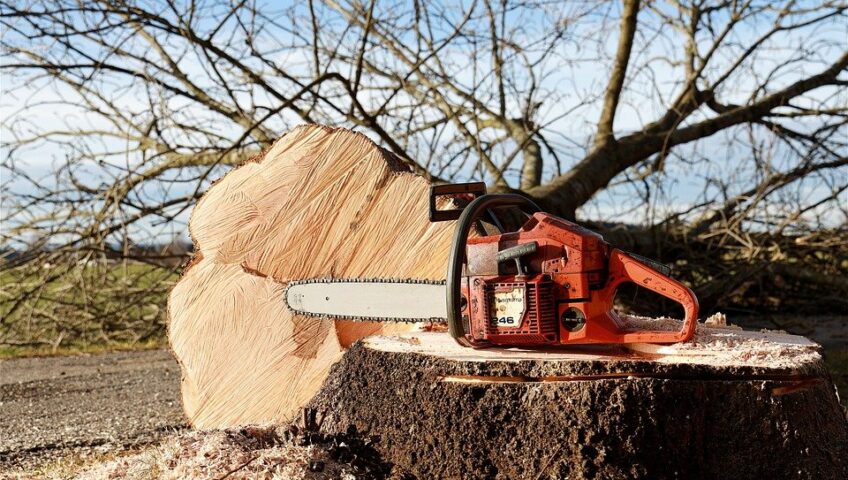
Manual removal involves physically cutting down the tree and digging out the stump. This method is labour-intensive and requires the right tools, such as chainsaws, axes, and shovels. While it can be effective for small trees and stumps, it may not be feasible for larger specimens or those with extensive root systems.
Manual removal is often favoured for its low cost, but it can be time-consuming and may require multiple individuals to complete the task safely. Furthermore, this method allows for a greater connection to the land, as individuals engaging in manual removal often find themselves more attuned to the natural environment. They may discover hidden ecosystems, such as nests or burrows, that could otherwise go unnoticed. Additionally, the physical activity involved can be quite rewarding, providing a sense of accomplishment upon completion.
Mechanical Removal
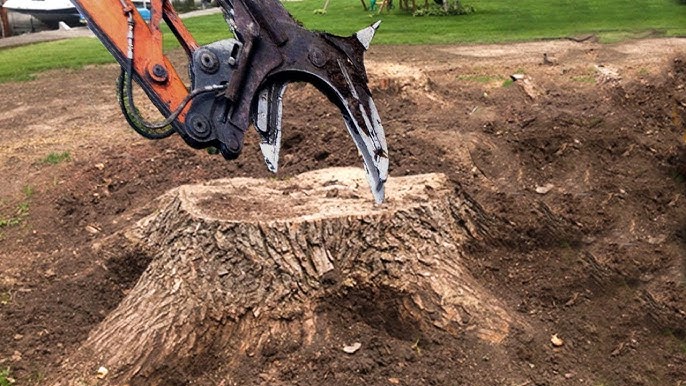
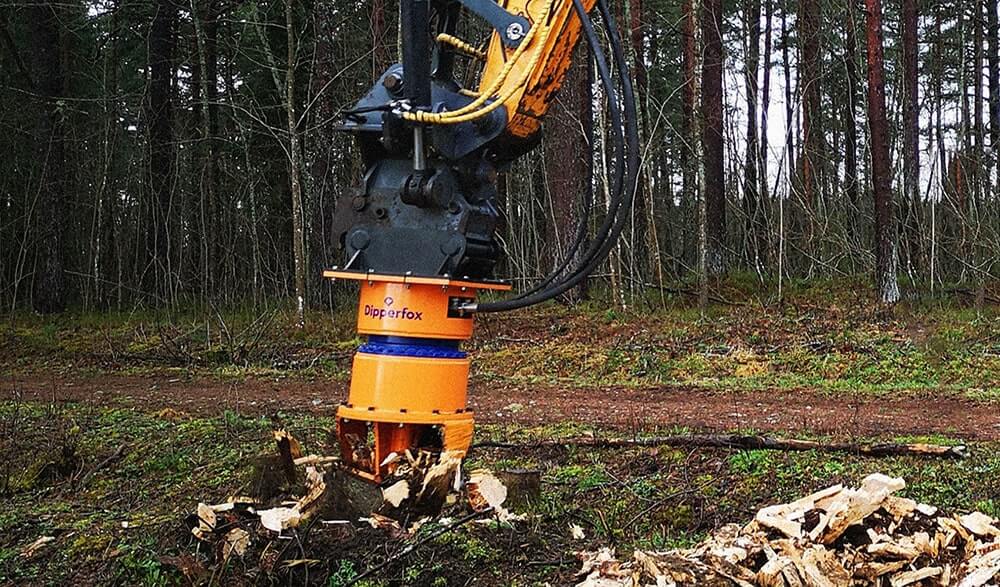
For larger trees and stumps, mechanical removal is often the preferred method. This technique involves the use of specialised equipment, such as stump grinders and excavators, to efficiently remove trees and stumps. Stump grinders can grind down stumps to below ground level, allowing for easy replanting or landscaping.
While mechanical removal is more expensive than manual methods, it is significantly quicker and less labour-intensive. Property owners should consider hiring professionals who have the necessary equipment and expertise to perform this task safely. Moreover, the use of mechanical methods can minimise the risk of injury that often accompanies manual removal, as the machinery is designed to handle the heavy lifting and cutting. It is also worth noting that modern machinery is often equipped with advanced safety features, reducing the likelihood of accidents and ensuring a more efficient process.
Chemical Removal
Chemical removal is another option, particularly for stubborn stumps. This method involves applying chemicals that accelerate the decomposition of the stump over time. While it is a less labour-intensive approach, it can take several months for the stump to fully decompose, making it a less immediate solution.
It is essential to use chemicals responsibly and follow safety guidelines, as some products can be harmful to the surrounding environment. Additionally, property owners should consider the long-term effects of chemical removal on soil health and local flora and fauna. Some chemicals may leach into the soil, potentially affecting nearby plants or groundwater. Therefore, it is advisable to consult with a professional or conduct thorough research before proceeding with this method, ensuring that the chosen chemicals are environmentally friendly and suitable for the specific site conditions.
Benefits of Professional Assistance
While some property owners may consider undertaking tree and stump removal themselves, hiring professionals can offer numerous benefits. Engaging experts ensures that the job is completed safely, efficiently, and effectively.
Expertise and Experience
Professional tree removal services employ trained and experienced personnel who understand the complexities of tree and stump removal. They can assess the situation, determine the best removal method, and execute the plan with precision. This expertise can prevent potential damage to surrounding structures, utilities, and landscaping.
Moreover, professionals are knowledgeable about local regulations and permits required for tree removal, ensuring compliance with legal requirements.
Safety Considerations
Tree and stump removal can be hazardous, particularly when dealing with large specimens or those located near power lines. Professionals are equipped with the necessary safety gear and training to mitigate risks. They also carry liability insurance, protecting property owners from potential accidents or damages that may occur during the removal process.
Time and Cost Efficiency
While hiring professionals may seem like an additional expense, it can save property owners time and money in the long run. Professionals can complete the job more quickly and efficiently than an inexperienced individual, reducing the overall disruption to the property. Additionally, they can provide advice on the best landscaping options post-removal, ensuring that the investment in removal leads to a successful landscaping project.
Preparing for Landscaping After Removal
Once the trees and stumps have been removed, the next step is preparing the site for landscaping. This process involves several considerations to ensure a successful transformation of the outdoor space.
Soil Assessment and Preparation
After tree and stump removal, it is essential to assess the soil condition. The removal process can leave behind compacted soil, which may require aeration or amendment to support healthy plant growth. Conducting a soil test can provide valuable information about nutrient levels and pH balance, guiding the selection of appropriate soil amendments.
Preparing the soil may involve tilling, adding organic matter, or implementing drainage solutions, depending on the specific needs of the site.
Designing the Landscape
With a cleared area, property owners can now focus on designing their landscape. This stage involves selecting plants, trees, and features that complement the property and meet the owner’s vision. Consideration should be given to factors such as sunlight, soil type, and water availability to ensure the chosen plants thrive.
Creating a cohesive design can enhance the property’s overall appeal and functionality. Landscape designers can provide valuable insights and recommendations, helping to create a space that is both beautiful and practical.
Conclusion
Tree and stump removal is a crucial step in preparing a property for landscaping. By understanding the importance of this process, the various removal methods, and the benefits of professional assistance, property owners can make informed decisions that enhance the safety and aesthetic appeal of their outdoor spaces.
Once the area is cleared, taking the time to assess the soil and design a thoughtful landscape will lead to a successful transformation, ultimately increasing the property’s value and enjoyment for years to come.
Whether opting for manual, mechanical, or chemical removal, the key is to approach the task with careful consideration and, when necessary, seek the expertise of professionals. With the right preparation, any property can be transformed into a stunning landscape that meets the needs and desires of its owners.
Related : Top Arborist Services Available in Sydney’s Inner West